Introduction
Whether for landscaping, construction, or interior design, natural stones are widely favored for their robustness and aesthetics. However, cleaning these rocks can be a challenging task. One natural solution that has garnered attention for "cleaning rocks with vinegar". In this article, we’ll delve into this technique while discussing the potential impact of ice melting methods on outdoor stone surfaces, and how to choose a safe, effective alternative.
Understanding The Vinegar Cleaning Process
Vinegar, specifically white vinegar, is a mild acetic acid solution that works wonders in cleaning various surfaces, including natural rocks. The acid reacts with calcium carbonate, the primary mineral component in many types of rocks, dissolving any surface build-up and revealing a clean rock surface.
The Process Is Relatively Straightforward:
- Pre-rinse: Initially rinse off the rocks with water to remove loose dirt and debris.
- Vinegar Bath: Soak the rocks in a solution of half water and half white vinegar.
- Soak and Scrub: Let the rocks soak for 15-20 minutes before scrubbing them gently with a brush.
- Rinse and Dry: Thoroughly rinse the rocks with clean water and let them dry.
This procedure is effective for cleaning rocks, but it is essential to note that vinegar should not be used on certain types of rocks, like limestone or marble, as it can corrode them.
The Impact Of Ice Melting On Outdoor Stone Surfaces
In winter months, ice accumulation on outdoor stone surfaces can be a common problem. Many people resort to using rock salt to melt ice, not realizing the detrimental effect it can have on their stone surfaces.
Rock salt, while effective in lowering the freezing point of water and thereby melting ice, can be corrosive to stone surfaces. It can cause spalling – the chipping or flaking of stone surfaces due to the pressure buildup from the freeze-thaw cycle. Moreover, salt residues can seep into the porous structure of stones, causing long-term damage and discoloration.
Safe Thaw: A Superior Alternative
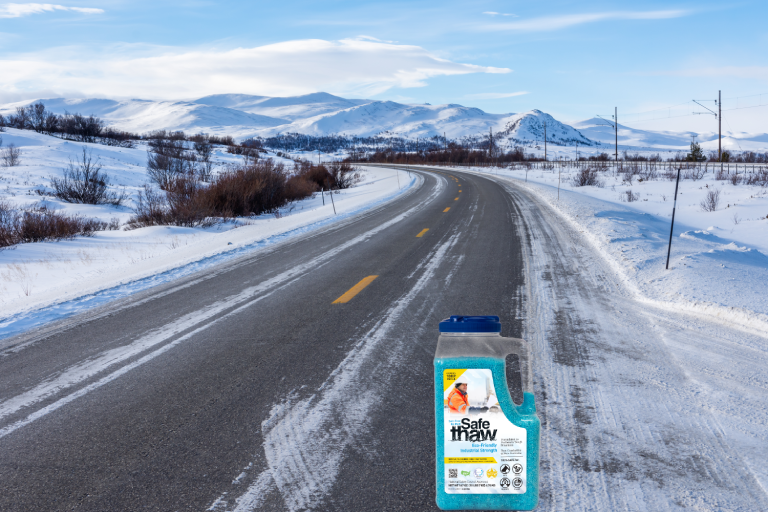
In contrast, Safe Thaw offers a safer, non-corrosive solution for melting ice on stone surfaces. Here's why Safe Thaw stands out:
- Safe Chemistry: Safe Thaw, unlike rock salt, is a chemical-free, toxin-free ice melt that effectively breaks the surface tension to speed up the melting process.
- Surface Safe: Safe Thaw is 100% safe on all surfaces, including natural stones, providing protection from potential damage caused by other ice melting products.
- Environmentally Friendly: It's not only safe for people, pets, and plants but also doesn't contaminate groundwater, making it an environmentally responsible choice.
Conclusion
Cleaning rocks with vinegar is an effective, natural method for maintaining the beauty of your stone surfaces. However, care should be taken when dealing with icy conditions. The use of rock salt to melt ice can cause significant damage to these stone surfaces. Safe Thaw, a chemical-free, toxin-free ice melt, emerges as the superior alternative for snow and ice management, offering effective ice melting capabilities while preserving the integrity of your stone surfaces.
By adopting these methods, you can keep your stone surfaces clean and undamaged, ensuring they continue to enhance the aesthetics of your space for many years to come.
https://safethaw.com/natural-stone-cleaning-using-vinegar-to-clean-rocks-and-outdoor-surfaces/


Comments
Post a Comment